
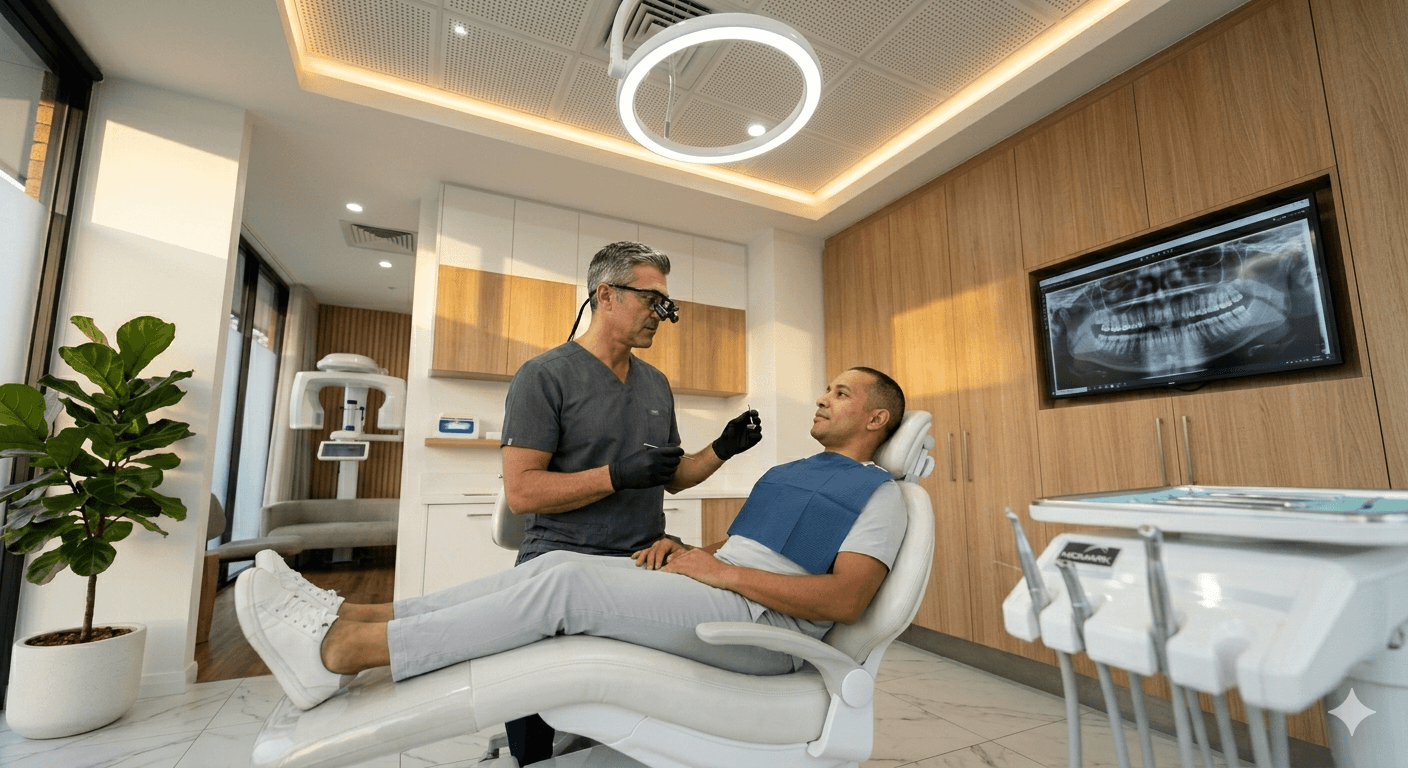
You want affordable orthodontics in Framingham without sacrificing quality, and this article shows practical options and next steps. You can find cost-effective braces and clear-aligner solutions nearby, paired with payment plans and community resources to make treatment achievable.
A local dental expert explains how different treatments work, what costs to expect, and how modern technology improves comfort and timing. Expect clear comparisons of clinics, financing tips, and straightforward guidance on preparing for appointments so you feel confident moving forward.
Understanding Orthodontic Treatments
Orthodontic care corrects tooth and jaw alignment, improves chewing and speech, and reduces wear on teeth. Treatments vary by age, severity, budget, and cosmetic priorities.
What Is Orthodontics?
Orthodontics is the dental specialty that diagnoses, prevents, and treats malocclusion — misaligned teeth and jaws. It uses appliances to move teeth into functional positions, balancing bite mechanics and facial proportions.
Orthodontists complete additional training after dental school to plan treatment using X-rays, digital scans, and models. They evaluate crowding, spacing, crossbites, overbites, underbites, and jaw growth patterns.
Common goals include improving oral function, reducing decay risk by making teeth easier to clean, and enhancing smile appearance. In Framingham clinics, providers often coordinate with general dentists for restorations or extractions when needed.
How Orthodontic Care Improves Your Smile
Orthodontic treatment aligns teeth to create even contact between upper and lower teeth, which improves chewing efficiency and reduces uneven wear. Proper alignment also minimizes food traps, lowering the risk of cavities and gum disease.
Cosmetic improvements include closing gaps, straightening rotated teeth, and aligning midlines for a balanced look. Many patients report increased confidence and easier oral hygiene after treatment.
Modern practices focus on patient comfort: low-friction wires, smaller brackets, and clear aligners that reduce irritation. Providers in Framingham typically offer financing and phased treatment plans to make care more accessible.
Types Of Treatments Available
- Braces (metal or ceramic): Fixed brackets and wires that apply continuous force; best for moderate to severe misalignment.
- Clear aligners (e.g., Invisalign): Removable, nearly invisible trays ideal for mild to moderate issues and adults who prefer discreet treatment.
- Lingual braces: Brackets attached behind teeth for a hidden option; require specialized expertise.
Other options include:
- Palatal expanders to widen the upper jaw in growing patients.
- Functional appliances to guide jaw growth in children and teens.
- Retainers to maintain results after active treatment.
Choosing a treatment depends on severity, patient age, compliance, and budget. Providers assess tooth movement timelines, estimated visits, and total costs during consultation.
Affordable Treatment Options In Framingham
Patients can expect clear choices: lower-cost metal braces, mid-range clear aligners, and community clinics or dental schools offering reduced fees. Payment plans, sliding-scale programs, and many insurers help spread costs and reduce out-of-pocket expenses.
Cost-Effective Braces And Aligners
Traditional metal braces remain the most budget-friendly option for many patients in Framingham. Local orthodontic practices typically price full metal-brace treatment between $3,000 and $5,000, depending on case complexity and treatment length.
Ceramic braces cost more—often $1,000–$1,500 extra—but provide a less noticeable look while keeping firmly within a mid-range budget.
Clear aligner companies in the area offer in-office and at-home hybrid options. In-office aligners (supervised by a local orthodontist) generally run $3,500–$6,000 and include regular checkups. Remote-only aligner services can be cheaper—about $1,500–$2,500—but may not suit complex bite corrections and usually lack hands-on adjustments.
Patients should request a detailed treatment plan and an itemized cost estimate that lists retainers, adjustments, and follow-up visits.
Flexible Payment Plans
Many Framingham orthodontists offer in-house financing that breaks total cost into monthly payments with little or no interest for promotional periods. Common structures include 6–24 month interest-free plans and longer 36–60 month plans with low interest rates.
Clinics often require a down payment of $200–$1,000, then set automatic monthly payments. Patients should confirm late fees, prepayment penalties, and whether promotional rates convert to standard APR after the promo term.
Third-party medical credit lines (e.g., CareCredit) are widely accepted in the area and let patients choose repayment terms up to 60 months. These plans can be helpful for families needing extended, predictable payments.
Ask the practice for a written payment schedule and verify whether cost covers emergency visits, appliance repairs, and final retainers.
Dental Insurance And Financing
Dental insurance for orthodontics varies: employer plans sometimes include partial coverage for children, and fewer plans cover adult orthodontics. Typical employer-based benefits cover 25%–50% of orthodontic costs up to a lifetime maximum (commonly $1,000–$2,500). Patients should review their plan’s lifetime maximum, age limits, and waiting periods before scheduling treatment.
Secondary options include Health Savings Accounts (HSA) or Flexible Spending Accounts (FSA) which reimburse qualifying orthodontic expenses tax-free. Documentation requirements vary, so keep treatment estimates and receipts.
Framingham residents can also inquire at local community health centers and dental schools for reduced-fee services. These programs may have income-based eligibility and longer wait times, but they offer substantial savings for eligible patients.
What To Expect During Your Orthodontic Journey
Patients can expect a clear, step-by-step process that begins with a focused assessment, moves to a customized plan, and continues with regular progress checks to keep treatment on track and comfortable.
Initial Consultation Process
The initial visit starts with a brief medical and dental history review to identify prior treatments, sensitivities, or health concerns that affect orthodontics. Digital photos, intraoral scans, and low-radiation X-rays are typically taken to document bite relationships and tooth positions accurately.
The orthodontist explains findings with visual aids and shows expected movements using software simulations when available. Costs, estimated treatment length, and payment or insurance options are discussed transparently.
Patients should bring a list of medications and their insurance information. The office staff will outline next steps, including any diagnostic records needed for treatment planning and scheduling.
Personalized Treatment Planning
After diagnostic records, the clinician creates a treatment plan tailored to alignment goals, oral health, and lifestyle needs—choosing options such as clear aligners, ceramic braces, or traditional metal braces. The plan specifies estimated duration, key milestones (e.g., space closure, bite correction), and any complementary procedures like extractions, attachments, or interproximal reduction.
The orthodontist reviews expected tooth movement, appliance care, possible discomfort, and emergency protocols. They also propose a follow-up schedule and retention strategy after active treatment to maintain results.
Patients receive written consent forms and a cost breakdown with financing or sliding-scale options when applicable to make affordable care clear and manageable.
Progress Follow-Ups
Follow-up visits usually occur every 4–8 weeks for braces and every 6–10 weeks for aligners; frequency depends on appliance type and treatment phase. Each visit includes quick checks of tooth movement, appliance condition, and patient comfort, plus minor adjustments such as wire changes, new aligner sets, or elastics.
The team tracks progress with periodic photos or scans to confirm alignment matches the treatment plan and makes mid-course corrections if necessary. Patients get concrete guidance on oral hygiene, diet precautions, and how to handle common issues like sore spots or loose brackets.
Office staff also reviews remaining treatment time and prepares retention steps as finish line approaches, ensuring a smooth transition from active treatment to long-term maintenance.
Choosing The Right Provider For Your Family
Selecting an orthodontist affects comfort, treatment length, and cost. Look for clear credentials, compassionate care, and practical office features that fit family schedules and budgets.
Qualifications To Look For
Check for a dentist with a formal orthodontic specialty. Prefer providers who list “Orthodontist” or “Board-eligible/Board-certified by the American Board of Orthodontics” on their website and who completed a 2–3 year residency specifically in orthodontics after dental school. These qualifications indicate deeper training in braces, clear aligners, and growth-phase treatments for children.
Confirm current licensure with the Massachusetts Board of Registration in Dentistry and ask about continuing education in pediatric orthodontics, lingual braces, or Invisalign. Request examples of recent cases similar to your child’s or adult needs; before-and-after photos and patient testimonials help verify real-world outcomes.
Verify that the practice uses digital imaging (CBCT or intraoral scanners) and modern materials. Those tools improve diagnostic accuracy and often reduce appointment times.
Patient-Centered Approach
A family-friendly practice explains treatment options in plain language and tailors plans to lifestyle needs. Look for providers who present multiple options—traditional metal braces, ceramic brackets, clear aligners—and explain trade-offs: cost, visibility, expected treatment time, and compliance needs for removable appliances.
Observe staff interactions during a visit. Friendly receptionists, clinicians who listen, and clear written estimates and financing options signal a smoother patient experience. Ask about emergency protocols, appliance-repair policies, and follow-up cadence, especially for busy families balancing school and work.
Confirm whether they offer habit appliances, interceptive care for early growth issues, and phased treatment plans that reduce total costs. Practices that involve parents in goal-setting and provide written care instructions tend to achieve better compliance and outcomes.
Convenience And Office Comfort
Evaluate office hours, location, and appointment flexibility first. Practices in Framingham with early morning, evening, or Saturday slots reduce missed school and work hours. On-site parking and proximity to major routes (Route 9, I-90) matter for commuting families.
Assess the physical environment: separate kids’ and adult waiting areas, clean treatment rooms, and distraction tools like TVs or magazines can reduce anxiety. Ask whether routine adjustments and emergency repairs are handled in-house or require outside referrals.
Review payment plans, insurance coordination, and estimated total costs upfront. Many affordable orthodontic options include low down payments, no-interest monthly plans, or sliding-fee structures for multiple family members. Confirm what’s included: retainers, emergency visits, or broken-bracket repairs often change the true price.
Maintaining Oral Health With Braces Or Aligners
Proper cleaning, regular checkups, and practical habits keep teeth healthy during orthodontic treatment. Effective routines reduce decay, gum problems, and treatment delays.
Daily Care Routines
Patients should brush at least twice daily and after meals when possible. Use a soft-bristled toothbrush or an electric brush with an orthodontic head, angling bristles at 45 degrees to the gumline and around brackets or aligner edges for 2 minutes.
Flossing matters even with wires. Use waxed floss with a floss threader, interdental brushes, or a water flosser to clean between teeth and under archwires once daily. Clean under and around brackets carefully to remove trapped food.
For clear aligners, remove them for eating and rinse before reinserting. Brush aligners gently with a soft brush and mild, non-abrasive soap; avoid hot water to prevent warping. Store aligners in their case when not worn.
Rinse with an antimicrobial mouthwash once daily if recommended by the orthodontist. Avoid sugary and sticky snacks that cling to brackets or hide under aligners.
Tips For Kids And Teens
Make routines short and consistent to build habits. Use colorful timers, sticker charts, or apps to encourage brushing for the full 2 minutes and consistent wear of aligners or elastics.
Choose age-appropriate tools: child-sized electric toothbrushes, fluoride toothpaste with the right dose, and soft interdental brushes sized for small mouths. Parents should supervise brushing and flossing until dexterity is reliable, usually around age 10–12.
Address school and social concerns directly. Provide a compact care kit (toothbrush, floss picks, orthodontic wax, aligner case) for lunches and activities. Teach how to handle emergencies like a loose bracket or lost aligner: contact the orthodontist promptly and follow interim care instructions.
Reinforce diet limits clearly: no hard candies, popcorn, or sticky chews. Explain how these choices affect treatment time and comfort to motivate compliance.
Preventing Common Issues
Monitor for white spots, gum inflammation, and bad breath. White spots indicate demineralization from plaque; increase brushing frequency and use fluoride rinse or prescribed high-fluoride toothpaste if needed. Address bleeding or swollen gums with improved cleaning and a professional cleaning.
Fix broken brackets, loose bands, or lost aligners quickly. A loose wire can cut soft tissue—cover it with orthodontic wax and call the office. For lost aligners, wear the previous set if they fit or use the next set only after consulting the provider.
Control sensitivity and soreness with over-the-counter pain relief and cold compresses for the first 48 hours after adjustments. Use orthodontic wax to protect cheeks and lips. Keep scheduled orthodontic and dental appointments to catch problems early and avoid treatment delays.
For personalized guidance, patients should ask their orthodontist about product recommendations, technique demonstrations, or scheduling adjustments to make daily care manageable.
Benefits Of Starting Treatment Early
Early intervention often reduces the complexity, cost, and duration of future orthodontic care. Timely evaluation helps guide jaw growth, prevent severe crowding, and address habits that distort dental development.
Advantages For Children
When treatment begins while baby teeth are still present, the orthodontist can influence jaw growth and tooth eruption patterns. Appliances like expanders can widen the dental arch, creating space for permanent teeth and reducing the need for extractions later.
Early care also targets functional issues—mouth breathing, thumb-sucking, and tongue thrust—that can change facial development. Treating these habits sooner improves speech, breathing, and bite alignment, not just appearance.
Visits tend to be shorter and less invasive for younger patients because small corrections avoid the need for full braces in some cases. Parents often find phased treatment easier to budget and schedule around school and activities.
Long-Term Health Outcomes
Addressing malocclusion early lowers the risk of uneven tooth wear and TMJ (jaw joint) strain as the child matures. Properly aligned teeth distribute biting forces evenly, reducing enamel damage and the chance of restorative work later.
Early airway-focused treatment can improve nighttime breathing and reduce snoring, which supports better sleep and daytime focus. Orthodontic expansion and habit correction may also decrease future sleep apnea risk for susceptible patients.
Psychological benefits appear over time as children gain confidence from improved function and appearance. That confidence can support social development and adherence to preventive dental care into adolescence and adulthood.
Modern Technology And Comfort Innovations
This section highlights practical tools and techniques that reduce costs, shorten treatment time, and prioritize patient comfort during orthodontic care in Framingham, MA. It focuses on clear aligner efficiency, predictable outcomes, and comfort-driven methods that lower appointment-related stress.
Clear Aligners Vs. Traditional Braces
Clear aligners use a series of removable, BPA-free plastic trays custom 3D-printed from digital scans. They treat many mild-to-moderate crowding and spacing cases and often shorten active treatment by several months when patients wear them 20–22 hours daily. Aligners eliminate brackets and wires, which reduces emergency visits for broken hardware and lowers chair time—helpful for budget-conscious patients.
Traditional metal braces remain the most reliable choice for complex movements like large tooth rotations, severe bite corrections, or cases needing precise root control. Advances include low-profile brackets and heat-activated nickel-titanium wires that move teeth more gently and reduce soreness. Patients should weigh case complexity, compliance (aligners need discipline), and potential cost differences when choosing a modality.
Key comparison at a glance:
- Treatment type: removable (aligners) vs. fixed (braces)
- Best for: mild–moderate alignment (aligners) vs. complex corrections (braces)
- Comfort: fewer soft-tissue irritations (aligners) vs. modern low-profile braces (braces)
- Appointments: fewer short visits (aligners) vs. regular adjustments (braces)
Comfort-First Methods
Clinics now use digital scanning instead of messy alginate impressions, which shortens visits and improves fit accuracy for appliances. Digital workflows reduce remakes, lowering overall treatment expenses and avoiding repeat appointments that add indirect costs like time off work or school.
Pain management focuses on gradual force application with light wires, staged aligner movements, and topical anesthetics for minor procedures. Many offices offer nitrous oxide and polite pacing for anxious patients, plus soft-tissue-friendly materials and removable options to preserve eating and oral hygiene routines. Financing plans and in-house maintenance kits further reduce barriers by spreading costs and keeping treatment predictable.
Building Confidence Through A Straighter Smile
A straighter smile often changes how someone feels about themselves. It can make speaking, laughing, and social interactions feel easier and less stressful.
Orthodontic treatment in Framingham can be affordable and tailored to each patient’s needs. Many local practices offer flexible payment plans, in-house financing, and low-cost options like clear aligners or traditional braces.
Improved dental alignment also supports better oral health. Teeth that fit together properly are easier to clean, reducing the risk of cavities and gum disease over time.
Patients frequently report increased self-confidence after treatment. That boost comes from both aesthetic improvement and relief from bite-related discomfort or speech issues.
Practical steps help people get started: a consultation, a personalized treatment plan, and clear cost estimates. Clinics often provide digital scans and treatment previews so patients can see potential results before committing.
Common concerns like treatment duration and visibility get addressed with modern options. Clear aligners offer a discreet route, while shorter-term orthodontics can focus on cosmetic changes.
A friendly, experienced orthodontic team in Framingham will explain benefits and trade-offs in plain language. They encourage questions and outline next steps so patients feel informed and comfortable pursuing treatment.
Next Steps: Taking Action Toward A Healthier Smile
They should schedule a consultation with a Framingham orthodontist to review options and costs. A short exam and X-rays clarify whether braces, clear aligners, or other treatments suit their needs.
They can prepare by collecting dental records, insurance details, and a list of questions. Asking about payment plans, sliding-scale fees, and available discounts helps keep care affordable.
Patients should compare at least two local practices for treatment approach and comfort level. Visiting offices in person or virtually gives a sense of the team, technology, and atmosphere.
They may explore financing options such as monthly plans, healthcare credit, or third-party lenders. Many clinics offer in-house payment plans; verifying interest rates and total costs prevents surprises.
Maintain regular dental checkups and good oral hygiene while undergoing orthodontic care. Clean teeth reduce complications and often shorten treatment time.
A simple checklist helps keep the process organized:
- Bring insurance card and ID to the first visit.
- Note current concerns and desired outcomes.
- Ask for a detailed treatment timeline and cost estimate.
- Inquire about retainers and post-treatment follow-up.
They should feel empowered to ask questions about comfort, expected results, and any alternatives. A brief phone call or online form can start the process and lead to a personalized plan for an affordable, healthier smile.
Frequently Asked Questions
This section gives clear, practical answers about costs, payment plans, comfort differences, first visits, discreet adult options, and medical considerations for orthodontic care in Framingham, MA. It focuses on typical price ranges, what affects costs, and what patients can expect at each step.
How much do braces or clear aligners typically cost, and what factors affect the final price?
Braces in Framingham usually range from $3,000 to $7,500 depending on materials and complexity. Clear aligner treatment commonly falls between $2,500 and $6,500, with more complex tooth movements increasing cost.
Factors that affect price include treatment length, severity of misalignment, need for extractions or appliances, number of office visits, and whether X-rays or scans are required. Insurance coverage, in-house discounts, and bundled follow-up care also change the final out-of-pocket amount.
Do you offer monthly payment plans, and what might a budget-friendly plan look like?
Many local orthodontic practices offer interest-free monthly plans through their office for 12–24 months. A typical budget-friendly plan might split a $4,800 treatment into a $500 down payment and $175 per month for 24 months.
Third-party financing is another option; plans can stretch 36–60 months but may include interest. Patients should compare total interest, fees, and any missed-payment penalties before choosing.
What’s the difference in cost and comfort between metal braces and clear aligners?
Metal braces tend to be less expensive than clear aligners, often by several hundred to a couple thousand dollars for comparable cases. Metal braces can feel more intrusive initially, with brackets and wires causing minor irritation until the mouth adapts.
Clear aligners are typically more comfortable and removable for eating and cleaning, but they require strict wear time (20–22 hours/day) to be effective. Sometimes aligners need attachments or refinements, which can add to cost and appointments.
Is an orthodontic consultation free, and what happens at the first visit?
Many Framingham offices offer a free or low-cost initial consultation; some include digital X-rays or a 3D scan at no extra charge. The first visit usually includes a dental and medical history review, clinical exam, and treatment options discussion.
The orthodontist will assess bite, take photographs or scans, and estimate treatment length and cost. The patient receives an individualized plan and explanations of expected steps and follow-up visits.
Are there options for adults who want a more discreet treatment without sacrificing results?
Yes. Clear aligners, ceramic braces, and lingual braces provide discreet choices for adults. Clear aligners are removable and nearly invisible, ceramic braces use tooth-colored brackets, and lingual braces hide brackets behind teeth.
Each option can correct many common alignment issues, though treatment time and cost vary. The orthodontist will recommend the best discreet option based on bite complexity and cosmetic priorities.
Can certain health conditions, like osteoporosis, affect whether orthodontic treatment is safe for me?
Yes. Conditions that affect bone health, such as osteoporosis, can influence tooth movement and bone remodeling during orthodontic care. The orthodontist will review medical history and may consult with the patient’s physician before starting treatment.
Medications like bisphosphonates can alter treatment planning and risk assessment. An individualized approach helps ensure safety and effective results; patients should disclose all medical conditions and medications during the consultation.