
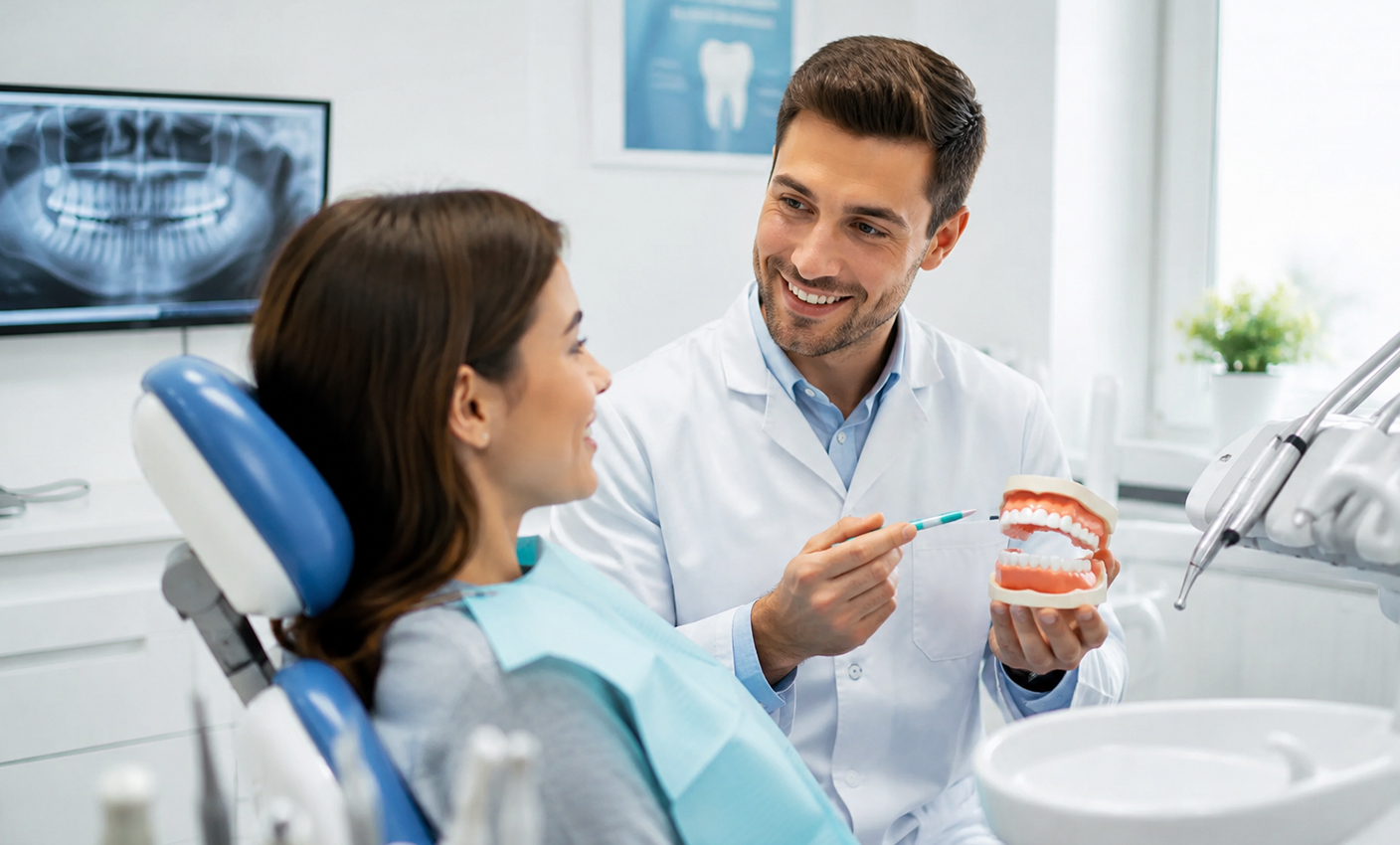
If you face a sudden toothache, knocked-out tooth, or severe oral bleeding in Framingham, MA, you need quick, reliable care you can trust. Local emergency dental clinics offer same-day appointments, pain control, and treatments—like tooth repair, extractions, and infection management—to stabilize the problem and protect your long-term oral health.
They explain how to spot urgent issues, what treatments to expect, and how modern tools speed diagnosis and comfort. You’ll learn which clinics prioritize evening and weekend access, how insurance and payment typically work, and practical steps to prevent future emergencies so you feel prepared and calm.
Recognizing Dental Emergencies
Patients should watch for sudden, severe symptoms and visible trauma that indicate a need for urgent care. Quick action can save teeth, reduce infection risk, and relieve severe pain.
Common Warning Signs
Severe tooth pain that prevents sleeping or eating often signals nerve involvement or a spreading infection. Throbbing, constant pain that intensifies with pressure or temperature changes requires prompt evaluation.
Visible trauma such as a knocked-out tooth, a tooth broken to the gum line, or a loosened tooth after an accident clearly needs urgent attention. Bleeding from the mouth that does not stop after 10–15 minutes of firm pressure also qualifies as an emergency.
Signs of infection include facial swelling, tender lymph nodes, fever, and pus drainage around a tooth. Difficulty breathing or swallowing from swelling indicates a potentially life-threatening spread and needs immediate transport to emergency care.
When to Seek Immediate Care
Seek same-day care for avulsed (knocked-out) permanent teeth; time is critical for re-implantation within one hour when possible. Handle the tooth by the crown, rinse briefly if dirty, and keep it moist in milk or saliva while en route to the clinic.
Go to urgent care or the dental office for uncontrolled bleeding, severe facial swelling, or a high fever with dental pain. These symptoms suggest significant infection or trauma that can quickly worsen without antibiotics or surgical drainage.
If a dental crown or filling falls out and pain or sensitivity is severe, contact the dentist that day. While not always life-threatening, exposed nerve tissue or large cavities can rapidly lead to infection and increasing pain.
Home Care Before Your Visit
For knocked-out permanent teeth, avoid scrubbing the root. Rinse with saline or milk only if dirty, then place the tooth back in its socket if possible, or store it in milk or the patient’s saliva.
Control bleeding with clean gauze or a tea bag held with firm pressure for 10–15 minutes. Cold compresses applied to the cheek in 10-minute intervals reduce swelling and pain for trauma-related injuries.
For pain and swelling, over-the-counter ibuprofen or acetaminophen helps; follow dosing instructions and avoid placing aspirin directly on gums. Keep the head elevated, avoid hard or hot foods, and call the dental office to describe symptoms and get specific instructions before arrival.
Available Emergency Treatments
Patients can expect fast, practical care for sudden dental problems, focusing on pain control, tooth preservation, and restoring function. Treatments often include local anesthesia, temporary repairs, and referrals for definitive restorative work when needed.
Handling Toothaches and Jaw Pain
Acute tooth pain often signals infection, deep decay, or a cracked tooth. The team first evaluates symptoms, takes targeted X-rays, and performs a clinical exam to pinpoint the source.
For severe pain with swelling or fever, they prioritize infection control: prescribe antibiotics when indicated and perform drainage or root canal therapy the same day if required. For non-infectious causes, they provide local anesthesia, prescribe short-term pain medication, and fit temporary protections like occlusal guards.
Home care instructions are specific: rinse with warm saline every 3–4 hours, avoid chewing on the affected side, and use over-the-counter ibuprofen unless contraindicated. They schedule follow-up within 48–72 hours for definitive treatment such as permanent root canal, crown placement, or extraction if the tooth is non-restorable.
Managing Broken or Knocked-Out Teeth
For a fractured tooth, the clinic assesses extent: enamel-only chips receive smoothing and bonding, while deeper fractures with pulp exposure often need immediate root canal and a crown. They document the fracture with photos and radiographs to plan restoration.
For an avulsed (knocked-out) permanent tooth, time is critical. If the patient brings the tooth, staff advise handling by the crown only, rinsing with saline, and attempting reimplantation within 60 minutes when possible. If reimplantation isn’t feasible, the tooth is stored in milk or saline and the patient receives an emergency splint and antibiotics.
They stabilize the tooth, provide tetanus status guidance if necessary, and arrange definitive prosthetic options—root canal and crown, implant placement, or bridge—based on tooth viability and patient preference. Pediatric protocols differ; primary teeth are rarely reimplanted.
Addressing Lost Fillings and Crowns
When a filling or crown comes loose, the office first assesses whether the underlying tooth is intact or decayed. If the restoration is recoverable and not contaminated, they may recement it the same day after cleaning and minor adjustments.
For exposed dentin or sharp edges, they place temporary filling material to protect the pulp and reduce sensitivity. When decay underlies the failure, they remove compromised material and recommend definitive restoration: new filling, inlay/onlay, or a new crown depending on remaining tooth structure.
Practical home tips include avoiding sticky or hard foods, using dental cement from a pharmacy only as a short-term fix, and bringing the restoration to the appointment. They explain costs, timeline for permanent work, and pain-management options so patients know what to expect next.
What to Expect During an Emergency Appointment
Patients will receive a focused evaluation, immediate steps to control pain or bleeding, and a clear plan for treatment or follow-up care. Staff prioritize comfort, quick diagnosis, and practical next steps so patients leave with reduced symptoms and an actionable plan.
Step-By-Step Initial Assessment
A receptionist or triage nurse asks specific questions about the injury: when it happened, the type of pain, bleeding, swelling, and any medical conditions or medications like blood thinners. They record contact and insurance details, then seat the patient in a treatment room to minimize waiting.
A dentist performs a focused exam: visual inspection, gentle palpation, and tests for tooth mobility and nerve response. If needed, the dentist takes one or two intraoral X‑rays to check fractures, root damage, or abscesses. For severe trauma or suspected jaw fracture, they may request a cone-beam CT or refer to the hospital.
The dentist explains findings in plain language and outlines immediate options—repair, extraction, root canal, or referral—plus expected timelines. The patient receives written and verbal instructions about emergency home care and any prescriptions before leaving the office.
Comfort and Pain Relief Measures
Clinicians start with local measures: cold compresses to reduce swelling and gentle pressure to control bleeding. For localized pain, the dentist administers a local anesthetic (lidocaine or similar) and confirms numbness before proceeding with treatment.
If infection or severe pain exists, they may prescribe antibiotics and an analgesic such as ibuprofen or acetaminophen, with specific dosing based on age and medical history. For patients on anticoagulants or with medical conditions, staff coordinate with the patient’s physician before giving medications.
During procedures, dentists use rubber dams, suction, and topical anesthetics to improve comfort and limit taste or debris. Staff offer additional comfort aids—pillows, headphones, or breaks—to ease anxiety and ensure the patient understands each step.
Modern Technology in Urgent Dental Care
Modern urgent dental clinics in Framingham use precise imaging and faster, less invasive treatment tools to speed diagnosis and reduce pain. They aim to limit time in the chair while improving outcomes with targeted care and patient comfort measures.
Digital Diagnostics
Clinics use high-resolution digital X-rays and cone beam computed tomography (CBCT) to locate fractures, abscesses, and impacted teeth within minutes. Digital sensors deliver images instantly with lower radiation than film, allowing clinicians to compare prior studies and track progression quickly.
Intraoral cameras provide close-up views of cracks, decay, and restorations that patients can see on a screen, improving communication and informed consent. Many practices also use electronic health records (EHR) that integrate images, notes, and medication lists so the team coordinates care without repeated history-taking.
Rapid chairside diagnostics, such as pulp vitality testing and on-site culture or sensitivity when infection is suspected, let dentists decide between antibiotics, drainage, or extraction immediately. These tools reduce unnecessary delays and help prioritize treatments based on clear, visual evidence.
Gentle, Minimally Invasive Procedures
Urgent-care dentists favor adhesive restorations, partial pulpotomies, and atraumatic extractions to preserve tooth structure and minimize recovery time. For a broken tooth, a bonded composite cusp replacement can restore function in a single visit without full crown preparation.
Laser-assisted treatments and ultrasonic instruments often replace aggressive drilling, reducing vibration and heat that cause discomfort. Local anesthetic techniques paired with computerized delivery systems (C-CLAD) maintain steady, less painful sedation during procedures.
When infection requires intervention, targeted drainage and selective debridement focus on removing infected tissue while preserving healthy structure. Sedation options such as nitrous oxide or oral anxiolytics remain available for anxious patients, with monitoring and post-op instructions tailored to speed healing and limit complications.
Preventing Future Dental Emergencies
Focus on daily habits and practical protective measures that reduce the chance of sudden tooth pain, fractures, and lost restorations. Small, consistent actions — like proper brushing, timely dental visits, and using mouthguards — prevent many urgent trips to the dentist.
Tips for Everyday Prevention
Brush twice daily with a soft-bristled brush and fluoride toothpaste for two minutes each time. Floss once a day to remove plaque between teeth where cavities often start. Replace the toothbrush every three months or sooner after illness.
Limit acidic and sugary drinks; sip water after coffee, soda, or citrus to rinse acids away. Avoid chewing hard items such as ice, popcorn kernels, and hard candies. If teeth feel sensitive, use a desensitizing toothpaste and book an exam within two weeks.
Keep up with dental checkups every six months or as recommended for restorations or gum disease. Treat small problems early: get cavities filled, adjust high bite points, and repair loose crowns promptly to prevent fractures. Store emergency contact info for the Framingham dental office and your dental insurance details in one easy-to-access place.
Protective Gear for Sports
Use a custom-fitted mouthguard for contact sports like hockey, football, lacrosse, and martial arts. Custom guards made by a dentist fit better and absorb shocks more effectively than boil-and-bite options from stores.
For recreational activities such as skateboarding, mountain biking, or skiing, a mouthguard still reduces the risk of chipped or avulsed teeth. Pair the guard with a well-fitted helmet that meets safety standards for the activity.
Children and teens in school sports should get new guards as their jaws grow; check fit every six months. Keep the guard clean by rinsing after use, brushing gently with toothpaste, and storing it in a ventilated case away from heat. If a guard cracks or warps, replace it immediately.
Choosing the Right Local Dental Provider
Finding a dental office that blends fast emergency care, modern treatment options, and a calming patient experience matters most. The right practice will offer clear communication, proven emergency protocols, and staff who prioritize comfort and quick, effective relief.
Qualities to Look For
Look for a dentist with documented emergency experience—root canal retreatments, extractions for acute infection, and trauma stabilization. Verify credentials: state dental license number, Advanced Cardiac Life Support (ACLS) or Basic Life Support (BLS) certification for staff, and any emergency dentistry courses listed on their website or profiles.
Assess clinical resources: in-office digital X-rays, cone beam CT availability, and on-site surgical suites reduce delays in diagnosis and treatment. Ask about sedation options (nitrous oxide, oral sedatives, IV sedation) and antibiotic/pain management protocols for common emergencies like abscesses or fractured teeth.
Patient reviews and before/after photos reveal responsiveness and outcomes. Prioritize practices that document timely emergency appointments, transparent pricing for urgent procedures, and insurance or payment-plan options to avoid treatment delays.
Convenient Access and Communication
Check office hours and same-day availability: practices that reserve daily emergency slots or offer extended evening/weekend hours improve outcomes. Confirm phone, text, and online booking options; a single-call triage system or 24/7 answering service speeds guidance and arrangements.
Location and parking matter in acute pain or swelling. Choose a clinic within 15–20 minutes of home or work in Framingham with easy parking and wheelchair access to reduce stress during emergencies.
Evaluate communication style before treatment: staff who use plain language, explain steps, and provide written aftercare instructions help patients follow medication schedules and wound care. Ask if the office follows up after emergency visits and coordinates with specialists (oral surgeons, endodontists) when needed.
Payment and Insurance Guidance
Patients who need emergency dental care in Framingham often worry about cost and coverage. The clinic accepts most major insurers and provides clear estimates before treatment so people can decide without surprise.
Commonly accepted options include private dental insurance, Medicaid (where applicable), and payment plans. For uninsured patients, the office typically offers a sliding-fee option or low-interest financing to spread costs over time.
Estimate example:
- Emergency exam and X-ray: typical range $75–$200
- Minor emergency treatment (suture, temporary crown): $150–$500
- More complex procedures (root canal, extraction): $400–$1,200
Patients should bring insurance cards and ID to speed verification. The administrative team verifies benefits immediately and explains deductibles, co-pays, and any out-of-pocket responsibility.
They recommend asking these questions when calling:
- “Is this specific emergency service covered today?”
- “What is my estimated out-of-pocket cost?”
- “Are there alternatives that lower cost but still address pain or infection?”
Payment methods accepted include credit/debit, cash, and third-party financing (CareCredit or similar). For urgent visits, the office often prioritizes pain control first and works with patients on affordable definitive care plans afterward.
Support for Patients of All Ages
The Framingham emergency dental team treats infants through seniors with the same attention and respect. They adapt communication and care to suit each age group, making visits easier for children and more comfortable for older adults.
For children, staff use gentle explanations and kid-friendly tools to reduce fear. Parents receive clear guidance on teething, knocked-out baby teeth, and when to seek immediate care.
Teenagers get privacy and practical advice about sports injuries, braces emergencies, and wisdom tooth pain. The clinic offers same-day appointments when a school or game injury needs prompt attention.
Adults find efficient solutions for broken crowns, sudden toothaches, and infections. Providers prioritize pain control and preserve natural teeth whenever possible.
Seniors benefit from experience managing complex medical histories and dentures. The team coordinates with physicians and pharmacists to avoid drug interactions and tailors treatment to mobility or cognitive limitations.
Bold, simple handouts explain aftercare and warning signs to watch for. Insurance and payment options receive straightforward explanations, and staff help schedule follow-ups to prevent recurrence.
Patients receive a warm welcome, clear communication, and a care plan that fits their life stage. Contact the office to ask questions, confirm hours, or request an appointment.
Next Steps for Peace of Mind
They should call the Framingham dental office to report the issue and describe symptoms clearly. Staff can advise whether the situation needs immediate in-office attention or temporary home care until arrival.
If pain is severe, swelling increases, or bleeding won’t stop, they should go to urgent care or the emergency room right away. For less severe problems, the clinic can often arrange a same-day appointment.
Bring a list of current medications, allergies, and dental insurance information to speed up check-in. If possible, bring the tooth or any fragments in a clean container with milk or saline — that can improve chances of successful reattachment.
Expect the dentist to assess the problem, take X-rays if needed, and explain treatment options in plain language. They will discuss pain control, possible procedures (repair, extraction, or root canal), and estimated costs before proceeding.
They should follow post-care instructions closely: rest, avoid chewing on the affected side, and take prescribed medications as directed. Schedule a follow-up visit to confirm healing and discuss preventive steps to reduce future emergencies.
If questions remain, the office welcomes calls or messages for clarification. A quick conversation can reduce anxiety and help them choose the right next step.
Frequently Asked Questions
This section answers common urgent dental concerns in Framingham with practical, clinic-ready steps and realistic expectations about immediate care, pain relief, and when to seek a dentist versus an ER.
What counts as a true dental emergency versus something that can wait until regular office hours?
A true dental emergency includes uncontrolled bleeding, severe infection with facial swelling or fever, a completely knocked-out tooth, or trauma affecting breathing.
Moderate pain, a lost filling that doesn’t expose the nerve, or minor chips usually can wait for the next available dental appointment.
Where should I go first if I have sudden, severe tooth pain—an emergency room or a dentist?
They should call a local dentist first if possible; many offices reserve emergency slots and can provide faster, definitive care.
If the pain comes with difficulty breathing, difficulty swallowing, spreading facial swelling, or high fever, they should go to the nearest emergency room immediately.
Can an emergency room actually treat tooth pain, or will they just give medication and refer me out?
Emergency rooms commonly provide pain control and antibiotics to stabilize an acute infection.
ERs rarely perform dental procedures like extractions or root canals, so they often refer patients to an on-call dentist or an urgent dental clinic for definitive treatment.
If I have a tooth infection or abscess, what’s the safest next step to get relief quickly?
They should seek prompt dental evaluation for drainage and definitive treatment such as root canal therapy or extraction.
If the infection causes fever, spreading facial swelling, or trouble breathing, they must go to the ER for urgent care and IV antibiotics.
What should I do right away if I chip, crack, or knock out a tooth to improve the chances of saving it?
For a knocked-out permanent tooth, they should hold it by the crown, rinse debris with water, and reinsert it if comfortable; otherwise place it in milk or saline and seek immediate dental care.
For chips or cracks, rinse with warm water, apply a cold pack to reduce swelling, and contact a dentist for same-day repair to prevent infection and further damage.
How can I manage dental pain and swelling at home safely until I can be seen by a dental professional?
They can take over-the-counter ibuprofen or acetaminophen per dosing instructions for pain and use cold compresses on the cheek for 10–20 minutes to reduce swelling.
Avoid applying aspirin directly to the gum, keep the area clean by gentle rinsing with warm salt water, and avoid hard or very hot foods until a dentist assesses the problem.