
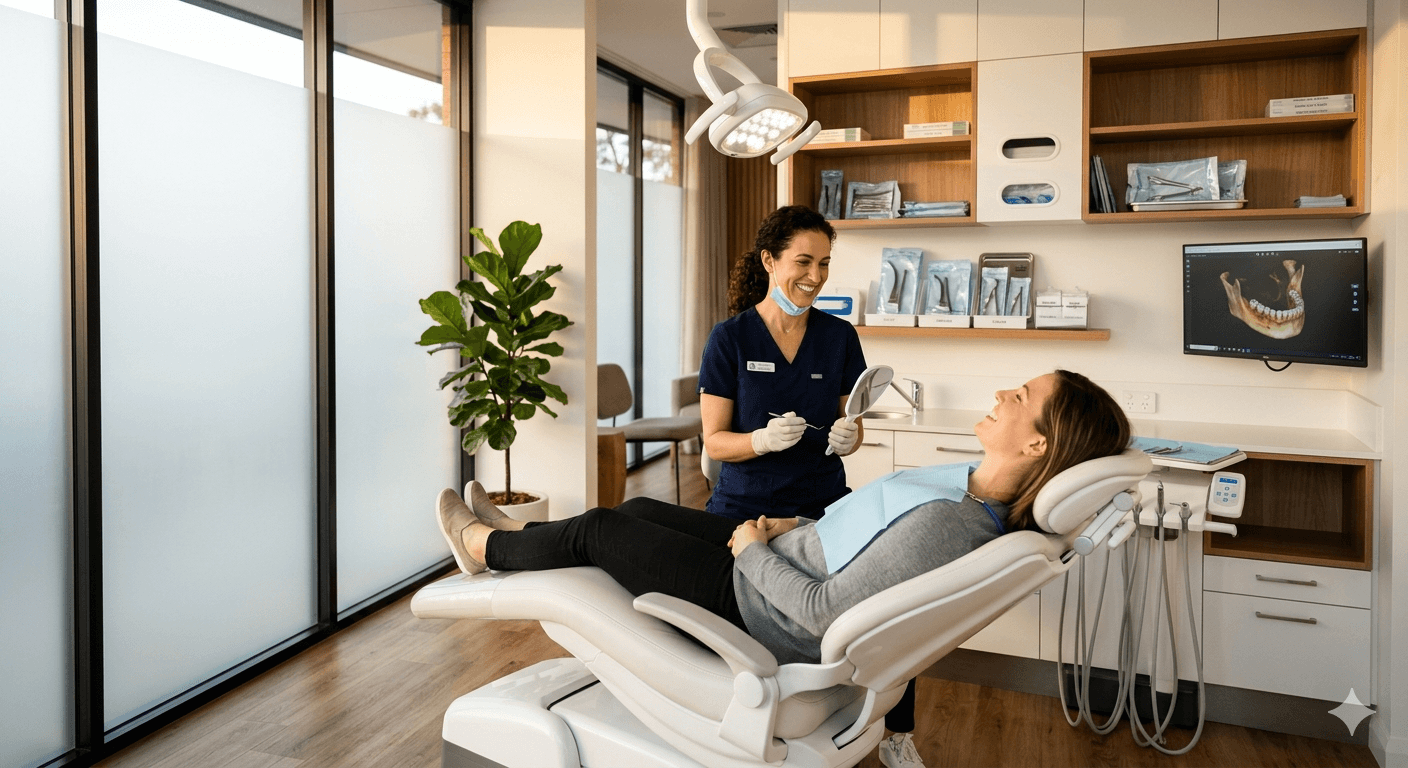
In Framingham, MA, cosmetic dentistry offers several effective ways to improve smiles and boost confidence. From teeth whitening to veneers and Invisalign, patients have access to modern treatments tailored to their needs and lifestyle. Cosmetic dentistry in Framingham focuses on enhancing appearance gently and comfortably, using the latest technology to deliver results that look natural and feel good.
Many people hesitate to visit the dentist because they worry about pain or complicated procedures. However, local dentists emphasize patient comfort and clear communication, making the process simple and reassuring. Whether someone wants to fix a chip, brighten dull teeth, or straighten a smile, there are options available that fit busy schedules and budgets.
Learning about these treatments can help readers feel more confident about their choices. A consultation with a Framingham cosmetic dentist can clarify which options suit individual goals best, ensuring each step feels right for the patient. They’re always ready to answer questions and guide patients toward lasting oral health and a smile they’ll enjoy.
Understanding Cosmetic Dentistry
Cosmetic dentistry focuses on improving the look of teeth and smiles using various treatments. These options can fix issues from discoloration to uneven teeth and even minor alignment problems. The process usually begins with an evaluation to tailor solutions to individual needs.
What Cosmetic Dentistry Can Address
Cosmetic dentistry tackles a wide range of dental concerns. Common issues include stained or discolored teeth, chipped or cracked teeth, gaps between teeth, and uneven or misshapen teeth. It also offers options for replacing missing teeth or reshaping worn enamel.
Treatments can be as simple as professional teeth whitening or more involved like porcelain veneers or dental bonding. Some patients benefit from orthodontic treatments such as clear aligners designed to subtly correct minor misalignments without traditional braces.
How Cosmetic Treatments Improve Oral Health
Besides enhancing appearance, many cosmetic procedures contribute to better oral health. For example, fixing chipped teeth helps prevent further damage or decay by sealing vulnerable areas. Straightening teeth can improve bite function and ease cleaning, reducing plaque buildup.
Using materials like porcelain or composite resins also protects teeth from wear. This combination of health benefits with aesthetic improvement encourages patients to maintain good hygiene and regular checkups. Healthy teeth support overall wellbeing and long-term dental stability.
Overview of the Consultation Process
The consultation starts with a detailed oral examination, including patient history and dental imaging if needed. Dentists listen to concerns and expectations to recommend treatments fitting the patient’s lifestyle and goals.
They discuss options, timelines, costs, and potential outcomes clearly. Visual aids, such as before-and-after photos, help patients understand possibilities. This personalized approach ensures comfort and confidence before beginning any cosmetic work. Patients are encouraged to ask questions throughout to feel fully informed.
Personalized Smile Assessments
A thorough evaluation is key to designing a smile that fits each person’s unique features and preferences. This process blends clear communication about goals with the latest digital tools to visualize results before treatment begins.
Discussing Your Goals and Concerns
The first step involves an open conversation between the patient and the dentist. Understanding what the patient likes and dislikes about their smile helps shape a plan tailored to their lifestyle and expectations. For instance, some want whiter teeth, while others focus on straightening or fixing chips.
During this discussion, concerns about comfort, budget, and treatment time are addressed. This ensures the plan respects personal preferences and practical limits. The dentist also explains different options, so patients can make informed decisions about procedures like veneers, bonding, or whitening.
Digital Impressions and Smile Previews
Modern cosmetic dentistry in Framingham uses digital impressions to create accurate 3D models of teeth without messy molds. These digital scans provide a precise starting point for planning treatments.
Using smile simulation software, patients can preview potential outcomes. This visual tool shows how changes in tooth color, shape, or alignment will look, making it easier to choose treatments confidently. It also allows adjustments to the plan before any work begins, reducing surprises and increasing satisfaction.
Professional Teeth Whitening Choices
Professional teeth whitening offers patients effective ways to brighten their smiles with reputable treatments that prioritize safety and comfort. Options vary by location and convenience, allowing individuals to select between quick in-office procedures or customized solutions for home use.
In-Office Whitening Treatments
In-office whitening treatments provide fast, noticeable results in a single visit. Dentists use stronger bleaching agents, usually containing higher concentrations of hydrogen peroxide, which work quickly to whiten teeth by several shades.
These sessions often last about 60 to 90 minutes. Protective measures such as gum shields protect soft tissues from irritation during the procedure. Many patients appreciate the immediate transformation and professional supervision throughout the process.
This option suits those seeking a rapid brightening effect, especially before special events. However, it can be more costly than take-home alternatives, and temporary sensitivity may occur but typically resolves within a few days.
Take-Home Whitening Solutions
Take-home whitening kits from the dentist offer personalized trays molded to fit the patient’s teeth precisely. These trays hold a lower-concentration bleaching gel, designed for safe daily use over one to two weeks.
This method allows patients to whiten their teeth at their own pace and convenience, fitting treatment around their schedules. Results develop gradually but steadily, reducing the chance of sensitivity compared to stronger in-office agents.
Dentists provide detailed instructions to ensure correct usage and minimize risks. Take-home kits balance effectiveness with comfort and are ideal for maintaining whitening results after professional treatments or for those preferring gentle brightening.
Safety and Effectiveness of Whitening
Professional whitening procedures undergo clinical evaluation to ensure safety for enamel and oral tissues. Dentists assess each patient before treatment to identify potential issues like cavities or gum disease that may need attention first.
Properly used, professional bleaching agents remove surface stains and deep discoloration without damaging teeth. Sensitivity and gum irritation can occur but are usually temporary and mild when treatments follow dental guidelines.
Patients advised to avoid staining foods and drinks, like coffee and red wine, during treatment often see better, longer-lasting outcomes. Open communication with the dental provider about any discomfort ensures a tailored, safe whitening experience.
Options for Restoring Damaged Teeth
When teeth become chipped, cracked, or worn, restoring them carefully is key to both function and appearance. Treatments vary based on the extent of damage and patient preferences. Two popular options offer natural-looking results with minimal discomfort.
Porcelain Veneers for Smile Makeovers
Porcelain veneers are thin shells custom-made to cover the front surface of teeth. They are ideal for teeth with moderate chips, discoloration, or misalignment issues. Because veneers are crafted from durable ceramic, they resist staining and mimic natural tooth enamel.
The procedure usually involves removing a small layer of enamel to ensure a proper fit. After impressions are taken, the veneers are bonded permanently to the teeth. Veneers provide a bright, smooth appearance and can last 10 to 15 years with good care. They require minimal maintenance but should avoid hard biting to prevent damage.
Patients appreciate veneers for their ability to transform smiles quickly and effectively, making them a common choice in cosmetic dentistry.
Dental Bonding to Fix Chips and Gaps
Dental bonding uses tooth-colored resin to repair minor chips, cracks, and small gaps. It is a quicker and more affordable option compared to veneers or crowns. The resin is applied directly to the damaged area, sculpted into shape, then hardened with a special light.
This treatment preserves most of the natural tooth structure because it requires little or no enamel removal. Bonding is ideal for small repairs and can be done in one visit. However, the resin material is less durable than porcelain and may stain over time.
Bonding offers an efficient way to improve tooth appearance without complex procedures, helping patients regain confidence in their smiles with minimal downtime.
Straightening Solutions for a Confident Smile
Modern teeth straightening options in Framingham, MA, offer flexibility and comfort for many lifestyles. Whether someone prefers a barely-there solution or something more traditional but less noticeable, choices are tailored to deliver effective results without compromising daily life.
Clear Aligners for Discreet Results
Clear aligners are custom-made, transparent trays that gradually shift teeth into place. They are virtually invisible, making them ideal for adults and teens who want to avoid the look of traditional braces.
These aligners are removable, which means no dietary restrictions and easier oral hygiene. Patients wear them about 20-22 hours a day, swapping to a new set every 1-2 weeks. Treatment length varies but typically lasts from 6 months to 18 months.
Clear aligners also reduce the risk of irritation to gums and cheeks compared to metal braces. Regular check-ins with the dentist track progress and address any adjustments needed, ensuring a smooth and comfortable experience.
Tooth-Colored Braces
Tooth-colored braces use ceramic brackets that blend with natural tooth color, offering a less noticeable alternative to metal braces. They work similarly by applying steady pressure on teeth to move them over time.
These braces are fixed, so patients don’t worry about removing or losing them. The ceramic material is strong but more prone to chipping, requiring a bit more care during meals and cleaning.
Tooth-colored braces suit individuals who want the security of traditional braces but with a subtler appearance. They often suit more complex dental corrections and generally require similar treatment times to metal braces.
Addressing Missing Teeth Beautifully
Replacing missing teeth can restore both function and confidence. Options vary by durability, appearance, and how they integrate with your natural smile.
Dental Implants That Look and Feel Natural
Dental implants involve placing a titanium post into the jawbone, acting like a tooth root. This creates a strong foundation for a custom-made crown that matches the surrounding teeth in shape and color.
Because the implant fuses with the bone, it feels stable and natural when chewing or speaking. Implants help prevent bone loss, maintaining facial structure over time. Healing can take several months, but the result is a long-lasting, comfortable replacement that blends seamlessly.
The procedure requires healthy gums and sufficient bone density. Many patients find implants worth the investment due to their durability and ease of care, similar to natural teeth.
Bridges and Tooth-Colored Crowns
Bridges fill gaps by anchoring artificial teeth to adjacent natural teeth. These adjacent teeth are reshaped to hold crowns, supporting the bridge securely. This option often has a shorter treatment time compared to implants.
Tooth-colored crowns are made from porcelain or ceramic, matching nearby teeth closely in color and translucency. They protect and restore damaged teeth or act as anchors for bridges.
Bridges are less invasive than implants but may put extra stress on supporting teeth. Proper dental hygiene is essential to keep both bridges and crowns healthy and lasting. This option is suitable for patients who need effective tooth replacement without surgery.
Maintaining Your Results Long-Term
Keeping a bright and healthy smile after cosmetic dental work requires consistent care and attention. Simple daily habits and routine checkups play a big role in preserving the look and function of your teeth.
Post-Treatment Care Tips
After cosmetic procedures like veneers or teeth whitening, avoiding certain foods and habits is key. Sticky, hard, or highly pigmented foods—such as caramel or red wine—can cause stains or damage veneers and bonding.
Brushing gently with a soft-bristled toothbrush and non-abrasive toothpaste helps protect delicate surfaces. Flossing regularly removes plaque between teeth and prevents gum problems that might affect the results.
Patients should avoid using their teeth as tools, like opening packages, which can chip dental work. If grinding or clenching is an issue, a custom nightguard can protect your investment while you sleep.
Regular Dental Visits for Lasting Beauty
Routine dental appointments in Framingham, MA, offer crucial maintenance after cosmetic treatments. Professional cleanings remove stains and plaque buildup that daily brushing may miss.
During these visits, dentists check for early signs of wear, cracks, or discoloration in cosmetic restorations. Timely adjustments or repairs prevent small problems from becoming costly fixes.
Dental professionals also provide personalized advice on oral care products and habits tailored to the patient’s specific cosmetic procedures. Consistent follow-ups ensure your smile stays fresh and healthy for years.
Encourage patients to schedule visits at least twice a year to maintain the benefits of their cosmetic dentistry investments.
Choosing the Right Dentist in Framingham MA
Finding a dentist who combines skill with a caring approach makes all the difference in cosmetic dentistry. It’s important to consider both professional qualifications and how comfortable patients feel during their visits to ensure the best results and overall experience.
Experience and Credentials to Look For
A dentist’s experience in cosmetic procedures like veneers, teeth whitening, and bonding is key. Look for someone with specific training or certifications in cosmetic dentistry beyond general dental school education. Memberships in professional organizations, such as the American Academy of Cosmetic Dentistry, indicate ongoing commitment to their craft.
You can often check online reviews and before-and-after galleries to see the dentist’s work firsthand. Asking about their experience with cases similar to your own also helps set realistic expectations. Experienced dentists know the latest materials and techniques, which means safer treatments and longer-lasting results.
Comfort and Patient-Centered Care
A friendly, patient-centered approach is essential, especially for cosmetic dentistry, which often involves multiple visits. The right dentist will take time to explain procedures clearly and answer all questions without rushing. A welcoming office environment and attentive staff also enhance comfort.
Dentists who prioritize gentle care may offer sedation options to reduce anxiety during complex treatments. They listen carefully to patient goals and tailor treatments accordingly, aiming for natural, confident smiles. Feeling heard and respected builds trust, making the entire cosmetic journey smoother and more positive for the patient.
Financial Considerations and Flexible Options
Cosmetic dentistry costs can vary widely based on the treatments selected and individual needs. Understanding what influences these costs and how to manage payments can make the process more accessible and less stressful.
Understanding Costs and Insurance
Cosmetic dental procedures often range from a few hundred to several thousand dollars depending on complexity. Treatments like teeth whitening or bonding are usually less expensive, while veneers and implants cost more.
Most dental insurance plans do not fully cover cosmetic procedures since they are considered elective. However, some plans offer partial coverage for treatments that also improve oral health, like crowns or certain types of bonding.
Patients should ask their dentist’s office about detailed cost estimates upfront. Knowing what insurance covers, if anything, helps plan the budget better. Some offices also provide cost breakdowns for individual procedures, so patients understand where their money goes.
Payment Plans and Financing Support
Many cosmetic dentists in Framingham offer flexible payment options to ease the financial burden. These can include interest-free plans for a set period, making monthly payments more manageable.
Third-party financing companies like CareCredit often work with dental offices. They let patients spread treatment costs over 6 to 24 months or longer, depending on approval.
It’s important to review terms carefully, including any interest rates or fees. Early payment without penalties is usually encouraged. Patients should never hesitate to ask dental offices about available financial resources or assistance programs designed to fit their budgets.
Taking Your First Step Toward a Brighter Smile
Starting your journey to a brighter smile in Framingham, MA, begins with a simple consultation. A cosmetic dentist will listen carefully to your goals and assess your oral health. This first meeting is about understanding your unique needs and discussing realistic options.
Many patients feel unsure about where to begin. It helps to know that modern cosmetic dentistry offers a range of treatments tailored to different lifestyles and budgets. Whether it’s teeth whitening, veneers, or bonding, each option can be personalized.
Here’s what typically happens during this first step:
| Step | What to Expect |
|---|---|
| Initial Exam | Checking teeth, gums, and overall oral health |
| Discussion of Goals | Identifying what you want to change or improve |
| Treatment Options | Presenting suitable cosmetic solutions |
| Comfort and Care | Addressing any fears and explaining procedures |
Patients often appreciate learning about procedures that focus on comfort and minimize discomfort. Knowing what to expect can reduce anxiety and make visits more enjoyable.
Encouraging open questions helps patients feel confident. He or she will explain how maintaining good oral hygiene supports lasting results.
If someone wants to take the next step, scheduling a consultation is easy and the best way to start a brighter, healthier smile.
Frequently Asked Questions
Many cosmetic dental concerns can be addressed with targeted treatments tailored to your needs. Options range from teeth whitening to subtle reshaping, and comfort is a priority throughout every step.
What cosmetic dental treatments can help brighten a stained or yellow smile?
Professional teeth whitening is the most common and effective way to brighten stained teeth. In-office treatments use stronger whitening agents for faster, more noticeable results.
Custom take-home whitening kits are also available for gradual brightening. For deeper discoloration, veneers or bonding can provide a long-lasting white appearance.
How do I know whether veneers, bonding, or crowns are the best choice for fixing chipped or uneven teeth?
Veneers are thin, custom shells that cover the front of teeth to improve shape and color. They are ideal for moderate correction.
Bonding uses tooth-colored resin to quickly repair minor chips and gaps. It’s a less invasive, more affordable option.
Crowns cover the entire tooth and are best for teeth that need stronger protection due to damage or decay.
What can I do about gaps or minor crowding if I’m not ready for braces?
Clear aligners offer a discreet way to correct minor crowding or gaps without metal brackets. They are removable, making them convenient.
Dental bonding or veneers can also close small gaps and improve appearance immediately, without moving teeth.
How long do common cosmetic dental results typically last, and how can I maintain them at home?
Teeth whitening results usually last six months to two years, depending on diet and oral habits. Avoid staining foods and use whitening toothpaste to prolong effects.
Veneers and crowns often last 10 to 15 years with proper care. Daily brushing, flossing, and regular check-ups help maintain them.
Bonding may last 3 to 7 years but can be touched up if needed.
What are the most comfortable options if I feel anxious about cosmetic dental work, including sedation choices?
Many cosmetic procedures are quick and cause minimal discomfort. For anxiety, dental offices often offer mild sedation such as nitrous oxide (laughing gas) or oral sedation.
For more involved treatments, IV sedation can be arranged to help patients relax comfortably throughout the procedure.
What should I expect during a cosmetic dentistry consultation, and how is a personalized treatment plan created?
A consultation starts with a review of your dental history and lifestyle. The dentist examines your teeth, discusses your goals, and may take photos or x-rays.
Together, you’ll explore treatment options and the dentist will recommend a plan tailored to your smile, budget, and schedule. The process aims to keep you comfortable and informed at every stage.