
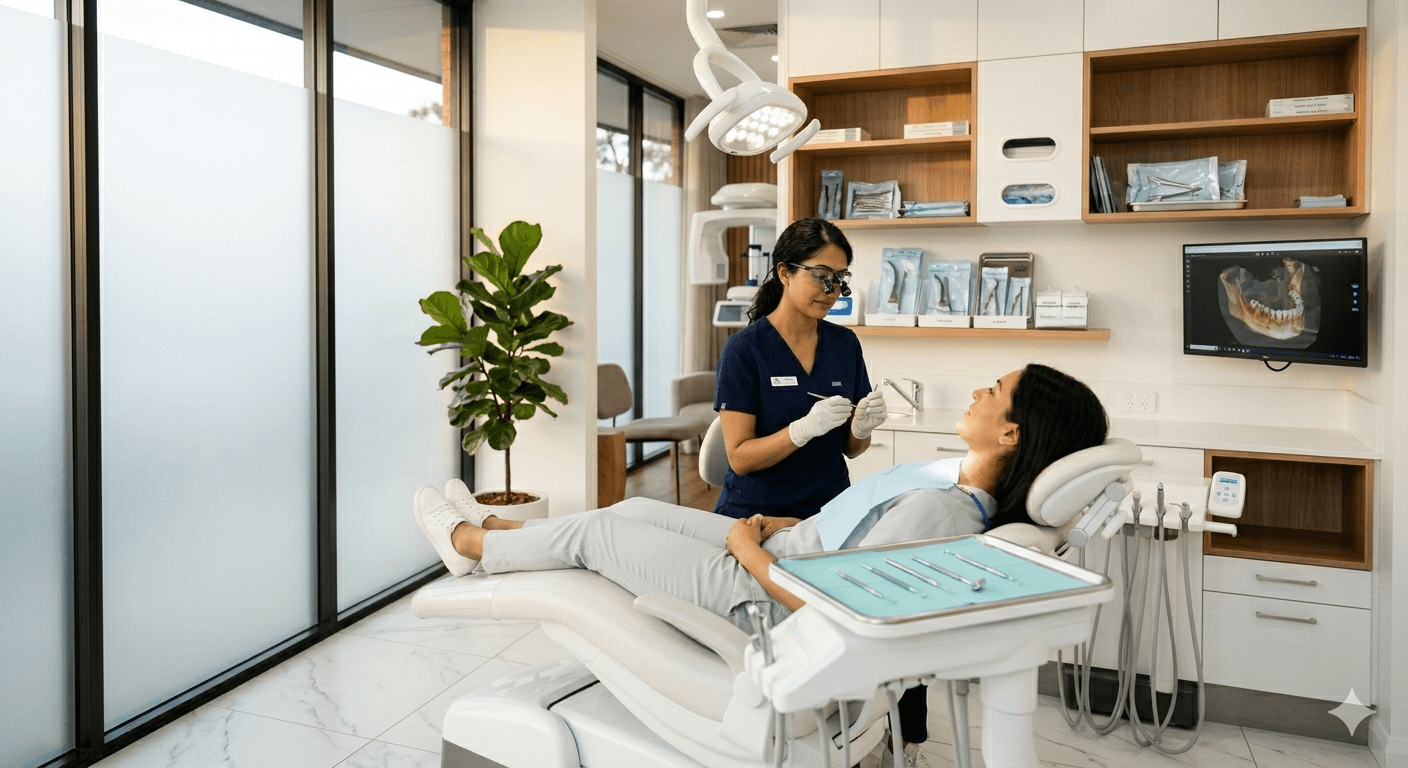
Many people in Framingham, MA, are turning to dental implants as a reliable solution for missing teeth. Dental implants provide a natural-looking, long-lasting way to restore smiles and improve oral health by anchoring artificial teeth directly into the jawbone. This method helps maintain bone strength and prevents the shifting of nearby teeth.
Patients often choose implants because they offer more comfort and stability than traditional dentures. Modern implant procedures focus on patient comfort and use advanced technology to make the process smooth and effective. Those considering implants should consult with a local dental expert to explore personalized options and understand the steps involved.
Understanding the benefits and what to expect can ease worries about dental implants. With the right care and guidance, many people in Framingham find implants to be a valuable investment in their confidence and dental health.
Understanding Dental Implants
Dental implants provide a stable, lasting solution for missing teeth. They work by integrating with the jawbone and supporting natural-looking crowns. Implants improve chewing, speech, and overall oral health in ways other options often cannot.
What Are Dental Implants
Dental implants are small titanium posts surgically placed into the jawbone. This post acts as an artificial tooth root. Over time, the bone fuses with the implant through a process called osseointegration, creating a secure foundation.
Once healed, a crown, bridge, or denture is attached to the implant. This restores the look and function of natural teeth. Implants are designed to last for many years with proper care.
Benefits of Dental Implants
Implants provide excellent stability, preventing slipping or discomfort common with dentures. They preserve jawbone health by stimulating bone growth and preventing deterioration. This maintains facial structure and prevents a sunken appearance.
Patients often report improved comfort and confidence when eating or speaking. Unlike bridges, implants don’t require altering adjacent teeth. This conserves tooth enamel and supports long-term oral wellness.
How Dental Implants Differ from Other Tooth Replacement Options
Unlike dentures, implants are fixed in place and don’t rely on adhesives. Bridges attach to nearby teeth, which can weaken those teeth over time. Implants function independently and integrate directly with the bone.
Dentures can sometimes cause irritation or slipping during daily activities, while implants feel and behave like real teeth. Though implants involve a surgical process, their durability and preservation of oral structures set them apart.
Candidacy and Eligibility
Not everyone is automatically suited for dental implants. Factors like overall health, jawbone strength, and lifestyle habits all play significant roles in determining if implants are a safe and effective option.
Who Is a Good Candidate
Ideal candidates are adults with fully developed jaws and good oral hygiene habits. They should have healthy gums free from severe gum disease, as infections can jeopardize implant success.
Candidates must be committed to maintaining dental care routines, including regular cleanings and check-ups. Non-smokers typically have better outcomes, but light smokers may still qualify with proper evaluation.
Dental implants can benefit those missing one or more teeth due to injury, decay, or other conditions. However, complete health assessments are necessary before moving forward.
Common Health Considerations
Some medical conditions can affect implant healing and integration. Diabetes, especially if poorly controlled, raises risks for infection and delayed recovery.
Autoimmune disorders, cancer treatments, and osteoporosis can reduce the body’s ability to heal. Patients on certain medications like bisphosphonates should disclose this during consultation.
Smoking, excessive alcohol use, and untreated gum disease all decrease implant success rates. Dentists will often recommend addressing these issues before starting the implant process.
A thorough health history and sometimes blood tests help determine if any conditions need managing first.
Bone Health and Preparation
Sufficient jawbone density is critical for securely anchoring implants. If bone loss has occurred, procedures like bone grafts or sinus lifts might be necessary to rebuild the area.
Bone quality and quantity vary by individual and often depend on how long the tooth has been missing. Early evaluation prevents complications later.
CT scans and X-rays provide detailed views of the bone structure. This imaging guides the dentist in planning the precise placement of implants.
Good bone health not only supports the implant but also contributes to a natural look and feel after restoration.
The Dental Implant Process Explained
Dental implants involve several important steps that ensure the best fit and lasting results. This process includes careful assessment, precise surgical placement, and a healing period designed to integrate the implant securely with the jawbone. Patient comfort and clear communication are key throughout.
Initial Consultation and Planning
The process starts with a detailed consultation to assess the patient’s oral health. The dentist reviews the condition of gums, bone density, and overall dental hygiene. X-rays or 3D scans may be used to create a precise treatment plan.
During this visit, the patient discusses expectations, medical history, and any concerns. The dentist explains options and timelines clearly. A personalized plan is made to ensure optimal implant placement while maintaining comfort and safety.
Step-by-Step Treatment Timeline
Implant placement typically begins by surgically inserting a titanium post into the jawbone. This acts as the artificial tooth root. The procedure usually takes about an hour and is done with local anesthesia for pain management.
After placement, a healing cap may be attached. Then, the gum is closed around the implant. It usually takes 3 to 6 months for the bone to bond with the implant, a process called osseointegration.
Once healed, an abutment is placed to connect the implant to the dental crown. Finally, a custom crown is attached, restoring appearance and function.
Healing and Recovery Expectations
Patients can expect minor swelling and discomfort for a few days after surgery. Pain is often managed with over-the-counter medication and ice packs. Soft foods are recommended to avoid pressure on the implant site.
Follow-up visits ensure the implant is healing well. Maintaining good oral hygiene is crucial during recovery to prevent infection. Most patients return to normal eating and dental habits after full healing.
The process is designed to be predictable and comfortable. The dental team supports patients through every step, addressing questions or concerns as they arise.
Types of Dental Implants Available
Dental implants come in several forms to match different needs and restore smiles effectively. Each type focuses on replacing missing teeth in a way that supports natural function and comfort.
Single Tooth Replacement
Single tooth implants are designed to replace one missing tooth without affecting neighboring teeth. A titanium post is surgically placed into the jawbone, acting as an artificial root.
After healing, a custom crown is attached to the implant, matching the patient’s natural tooth color and shape. This option preserves bone health and prevents shifting of adjacent teeth. It’s ideal for patients looking for a durable, natural-looking solution that feels and functions like their original tooth.
Implant-Supported Bridges
When multiple teeth in a row are missing, implant-supported bridges provide a strong, stable replacement. Instead of using crowns on natural teeth for support, implants anchor the bridge directly to the jaw.
This reduces strain on nearby teeth and maintains jawbone integrity. Typically, two or more implants are placed at each end of the gap to hold the bridge in place. It offers greater comfort and stability compared to traditional dentures or bridges.
Full Arch Solutions
For patients missing most or all teeth in one or both jaws, full arch implant solutions restore a complete set of teeth. Common approaches include “All-on-4” or “All-on-6” where four to six implants support a full fixed denture.
This method provides immediate function and eliminates the need for messy adhesives or removable dentures. It also helps maintain facial structure by preventing bone loss. These implants are customized for a natural look and can dramatically improve chewing and speaking ability.
Comfort and Technology in Modern Implant Dentistry
Dental implant procedures today prioritize patient comfort through innovative sedation methods and advanced imaging. High-quality materials and precise customization further improve the fit and feel of implants. These elements work together to make treatment smoother and outcomes more reliable.
Sedation and Pain Management
Sedation options help patients feel at ease during implant surgery. Common choices include local anesthesia, oral sedation, and intravenous (IV) sedation. Local anesthesia numbs the area, preventing pain. Oral sedation provides relaxation without full unconsciousness. IV sedation offers deeper relaxation for those with dental anxiety or extensive procedures.
Pain management doesn’t stop during the procedure. Dentists also recommend over-the-counter painkillers or prescribed medication for aftercare. Many patients report minimal discomfort due to careful techniques and effective numbing agents.
Advanced Imaging Techniques
Modern implant dentistry in Framingham MA uses 3D Cone Beam Computed Tomography (CBCT) for detailed imaging. CBCT creates a 360-degree view of the jawbone, nerves, and sinuses. This precise imaging helps avoid surprises during surgery and ensures implants are placed exactly where they belong.
Digital impressions replace messy molds with comfortable scanning devices. These scans are faster and more accurate, speeding up the planning process. Using technology like CBCT and digital scans drastically improves safety and outcomes.
Materials and Customization
Titanium remains the most popular implant material due to its strength and ability to fuse with bone. However, newer zirconia implants are also available for those seeking metal-free options. Both materials are biocompatible, reducing the risk of rejection.
Customization is key for a natural look and comfortable fit. Dentists create crowns, bridges, or dentures tailored to the patient’s mouth shape and bite pattern. Digital design and CAD/CAM technology make precise, quick adjustments possible, resulting in implants that feel like real teeth.
Patients interested in implants should ask about sedation options, imaging technology, and material choices to find a plan that best fits their needs.
Caring for Your Dental Implants
Proper care helps dental implants stay healthy and functional for years. Paying close attention to hygiene, professional check-ups, and understanding implant durability supports long-term success and comfort.
Daily Home Care Tips
Dental implants require thorough cleaning much like natural teeth. Brushing twice daily with a soft-bristle toothbrush helps remove plaque without damaging the gum tissue around the implant.
Using a low-abrasive toothpaste is important to avoid scratching the implant surface. Flossing once a day, or using interdental brushes designed for implants, clears food particles where a toothbrush can’t reach.
Avoiding hard or sticky foods minimizes stress on implants. If recommended, using an antimicrobial mouth rinse can reduce bacteria and support gum health, preventing inflammation around the implant.
Regular Dental Visits and Maintenance
Routine dental visits are crucial for implant health. A dentist in Framingham will check for signs of gum infection, bone loss, or mechanical issues with the implant crown.
Professional cleanings target plaque build-up under the gumline where daily brushing may miss. Regular X-rays monitor the bone supporting the implant to catch early problems.
Scheduling visits every six months, or as the dentist advises, ensures adjustments or repairs happen promptly. These appointments protect your investment and prevent costly complications.
Longevity and Durability
Dental implants are designed to last decades with proper care. The titanium post fuses with the jawbone, creating a strong foundation that resists decay.
However, implants can fail if gum disease or injury occurs. Maintaining excellent oral hygiene and attending dental appointments greatly improve durability.
Lifestyle factors like smoking or poor nutrition can shorten implant life. Patients who follow care instructions and protect their oral health typically enjoy many years of reliable tooth replacement.
Choosing a Dental Implant Provider in Framingham MA
Finding the right dental implant provider involves weighing several important factors to ensure comfort, quality, and success. Patients should consider experience, technology, and personalized care when making their choice.
Qualities to Look For
A skilled provider will have specialized training in implant dentistry, such as certification from the American Academy of Implant Dentistry or similar organizations. Look for dentists who use up-to-date technology like 3D imaging and guided implant placement, as these tools improve precision and reduce treatment time.
Patient reviews and before-and-after photos can reveal consistent, positive outcomes. Equally important is the provider’s approach to patient comfort—offering sedation options or gentle techniques can make the process less intimidating.
Questions to Ask Your Dentist
It’s helpful to ask about the dentist’s experience with implants, including how many they’ve placed annually. Inquire about the types of implants used, the brand, and why they recommend a particular system.
Questions about the treatment timeline, potential risks, and post-surgery care help set realistic expectations. Don’t forget to ask about costs, insurance coverage, and financing options to avoid surprises later.
Why Local Experience Matters
Choosing a provider in Framingham MA means they understand the specific needs of the community and have a network of local specialists if referrals are needed. Local knowledge ensures emergency availability and easier follow-up visits.
A practice rooted in the area often has established relationships with local labs for quicker, customized restorations. This connection can speed up healing and improve overall success rates.
What to Expect After Treatment
Recovery from dental implant surgery involves some adjustment to both comfort and function. Patients will notice changes in how their mouth feels and will need to follow specific care instructions to ensure healing goes smoothly.
Adjusting to Your New Smile
Once the dental implant is placed, it may take time to get used to the feeling of a new tooth. The implant itself feels different from natural teeth at first because it is anchored directly into the jawbone. This can affect speech and chewing initially.
Patients might experience slight pressure or a sensation of fullness around the implant site. This is normal and usually improves as the mouth adapts. Eating soft foods and avoiding very hard or sticky items helps prevent discomfort while getting used to the implant.
Visually, the new implant crown is designed to look natural, but minor changes to bite alignment might feel unfamiliar. With time, most people find their new smile comfortable and functional without much effort.
Managing Discomfort and Follow-Up Care
Mild soreness and swelling are common during the first week after implant surgery. Over-the-counter pain relievers like ibuprofen can manage this effectively. Applying a cold compress on the cheek near the implant site can reduce swelling.
Proper oral hygiene is crucial to avoid infection. Patients should gently brush the implant area and rinse with an antibacterial mouthwash as recommended by their dentist. Smoking or heavy alcohol use can delay healing and should be avoided.
Follow-up visits allow the dentist to monitor healing and make any needed adjustments. If soreness persists beyond two weeks or if there is severe pain or bleeding, contacting the dental office promptly is important. Regular checkups ensure the implant integrates well and remains healthy long term.
Cost Considerations and Payment Options
Understanding the costs involved and how payments can be managed helps patients plan better for dental implants. Options vary widely depending on individual needs, insurance, and available financing to keep care accessible.
Typical Price Ranges
Dental implant costs in Framingham, MA, typically range from $3,000 to $5,000 per implant. This price usually includes the implant post, abutment, and crown but can fluctuate based on bone grafts or extra procedures needed. Some offices may charge separately for consultations, X-rays, or follow-up visits.
Patients should also consider the long-term value since implants often last longer than bridges or dentures. Getting multiple implants or full-mouth restorations will increase the cost proportionally but often provide better function and comfort.
Insurance and Financing Plans
Most dental insurance plans cover only a portion of implant costs, often capping at around $1,000 to $1,500 per year and sometimes excluding implants altogether. It’s essential to verify coverage details with the insurance provider before treatment.
Dental offices in Framingham often offer financing options such as low-interest loans or payment plans that break the cost into manageable monthly payments. Some practices work with third-party lenders like CareCredit, which can approve credit based on the patient’s financial profile.
Maximizing Value
To get the most value, patients should compare costs from several Framingham providers, considering their experience and included services. Some offices bundle implant placement, restoration, and maintenance in one price, which can save money upfront.
Scheduling a consultation to discuss personalized treatment plans helps identify any preventive steps that reduce complexity and cost. Regular check-ups before and after treatment can improve implant success, protecting your investment.
Common Concerns and Misconceptions
Many people hesitate about dental implants due to worries about safety, success, and how implants might affect their everyday life. These concerns are common but can be addressed with accurate information and a clear understanding of what modern implant procedures involve.
Addressing Safety Fears
Patients often worry about the safety of dental implants, especially about surgery risks and possible complications. Modern dental implant surgery is minimally invasive, typically performed under local anesthesia, and uses sterile techniques to reduce infection risk.
The materials used, like titanium, are biocompatible, meaning the body generally accepts them without adverse reactions. Advanced imaging ensures precise placement, lowering the chances of nerve or sinus damage. Post-surgery discomfort is usually mild and manageable with routine pain relief. Following aftercare instructions significantly aids healing and prevents complications.
Success Rates and Outcomes
Dental implants have a high success rate—around 95% or higher in healthy patients—when properly cared for. Success depends on factors like bone quality, oral hygiene, and overall health, but modern techniques have improved outcomes even for challenging cases.
Implants fuse with the jawbone through osseointegration, creating a stable foundation for crowns or dentures. This means implants look, feel, and function much like natural teeth. Failure is uncommon but can occur if infections or excessive stress on the implant arise. Regular dental visits and good oral care help ensure long-term success.
Impact on Daily Life
Many fear that dental implants might disrupt eating, speaking, or daily comfort. In fact, implants restore normal function and often improve speech clarity compared to missing or loose teeth. Eating a balanced diet becomes easier without worrying about dentures slipping.
Initial adjustment may involve slight awareness of the implant, but most patients quickly adapt. Cleaning implants involves routine brushing and flossing, similar to natural teeth, without special tools. Implants do not require adhesives or soaking like dentures, making daily life more convenient and comfortable.
Embracing Your New Smile
After dental implants are placed, patients often feel a boost in confidence. They can eat, speak, and smile comfortably, enjoying a natural look and feel. This improvement can positively impact daily life in many simple ways.
It’s important to maintain good oral hygiene to protect the implant and surrounding gums. Brushing twice a day, flossing daily, and regular dental check-ups keep the new smile healthy. Dentists may also recommend special tools or techniques for cleaning around implants.
Adjusting to implants can take a few days to weeks. Sensitivity or slight discomfort is normal initially but usually fades with time. Patients should follow post-operative care instructions closely and reach out if anything feels unusual.
Here’s a quick list to help patients embrace their new smile confidently:
- Eat soft foods initially to allow healing.
- Avoid smoking or alcohol during recovery.
- Attend follow-up appointments regularly.
- Practice gentle brushing near the implant site.
- Use antimicrobial rinses if advised by the dentist.
With these steps, patients can enjoy the full benefits of their dental implants in Framingham, MA. Their new smile can become a source of pride and comfort in everyday moments.
Frequently Asked Questions
Dental implants involve several important details, from cost and candidacy to the treatment process and comfort during the procedure. Understanding these points helps patients feel more confident and prepared.
How much do dental implants typically cost in Massachusetts, and what factors affect the price?
In Massachusetts, dental implants usually range from $3,000 to $5,000 per implant. Factors influencing the price include the complexity of the case, the type of implant used, any necessary bone grafting, and the fees of the dental specialist.
Additional costs might come from consultation, imaging, and follow-up visits. Many practices offer payment plans or financing options to help manage these expenses.
Am I a good candidate for implants if I have osteopenia or low bone density?
Patients with osteopenia can often still receive implants, but bone quality is crucial. A dentist will evaluate bone density through scans to ensure enough support for the implant.
If bone is insufficient, procedures like bone grafting may improve the chances of success. A careful, personalized assessment is key.
What’s the difference between seeing a general dentist and a periodontist for implant treatment?
General dentists often handle the entire implant process for straightforward cases. Periodontists specialize in gum health and complex implant surgeries, especially when bone grafting or advanced tissue management is needed.
Seeing a periodontist can be beneficial when the case requires surgical expertise beyond routine implant placement.
How long does the implant process usually take from start to finish, and what are the steps?
The entire process typically spans 3 to 6 months. It starts with a consultation and imaging, followed by implant placement surgery, then a healing period for osseointegration.
After healing, an abutment and crown are placed to complete the restoration. Timing varies based on individual healing and any additional procedures.
Will getting an implant hurt, and what comfort or sedation options are available during treatment?
Most patients experience mild discomfort, comparable to a tooth extraction. Local anesthesia numbs the area during surgery, and sedation options like nitrous oxide or oral sedation can help ease anxiety.
Dentists prioritize patient comfort before, during, and after the procedure to make the experience as gentle as possible.
What are my options if I don’t have enough jawbone for an implant, and can bone grafting help?
If jawbone is insufficient, bone grafting is a common solution. This procedure adds bone material to build up the jaw and provide a solid foundation for the implant.
Other options include sinus lifts or using narrower implants. A thorough exam will determine the best approach for stable, long-lasting results.